A turbocharged engine can use some oil between services, but a noticeable increase in consumption deserves attention. If you are adding oil regularly, seeing blue smoke, or finding the dipstick lower than expected long before the next oil change, the engine may be losing oil externally or burning it internally.
Turbo engines place extra demands on lubrication because engine oil also protects and cools the turbocharger bearings. Heat, boost pressure, crankcase ventilation, engine wear, and turbo condition can all influence oil consumption. The important part is finding where the oil is going instead of assuming the turbocharger is automatically responsible.
Why Turbo Engines Can Use More Oil
A turbocharger operates at extremely high speed and sits close to very hot exhaust gases. Engine oil flows through its center housing to lubricate the bearings and carry away heat, giving the oil another demanding job beyond protecting the engine itself.
Turbo engines also tend to operate with higher cylinder pressures under load. That can increase the amount of combustion gas entering the crankcase past the piston rings. The crankcase ventilation system has to manage those gases, and some oil vapor can be carried into the intake and burned. A small amount can be normal, but excessive consumption points to a problem that should be checked.
A Worn Turbocharger Can Let Oil Into the Engine
Oil is supplied to the turbocharger under pressure and then drains back into the engine. Internal sealing systems help keep that oil away from the compressor and exhaust sides of the turbo. As bearings and sealing areas wear, oil can begin getting into places it should not.
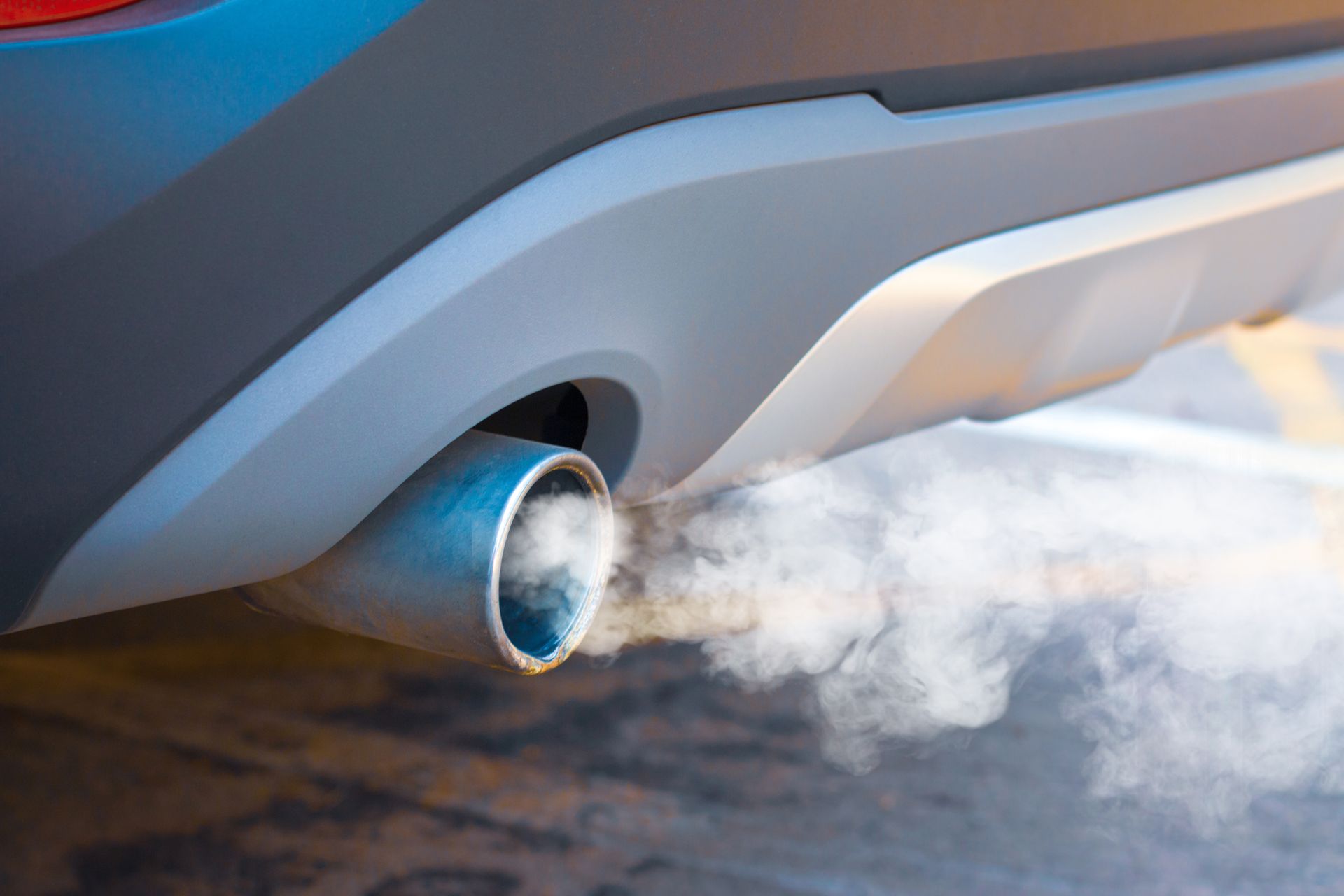
Oil leaking toward the compressor side can travel through the charge pipes and intercooler before entering the cylinders. Oil entering the turbine side can burn directly in the exhaust. Drivers may notice blue or blue-gray smoke, increased oil use, unusual turbo noise, or heavy oil accumulation inside intake piping.
Oil inside a turbo hose does not automatically mean the turbo has failed. A light oily film can come from normal crankcase ventilation. Large amounts of liquid oil, especially when paired with rapid consumption or smoke, are much more concerning.
The PCV System Can Increase Oil Consumption
The positive crankcase ventilation system controls pressure inside the engine and routes crankcase vapors back into the intake. If a PCV valve, diaphragm, oil separator, or hose fails, the engine may begin pulling more oil vapor into the intake than it normally would.
A PCV problem can also create abnormal crankcase pressure. Too much pressure may push oil past seals and gaskets, while excessive vacuum can sometimes draw oil into the intake. On many newer engines, PCV components are built into the valve cover, so repairing the problem may involve replacing more than a small standalone valve.
Piston Rings and Cylinder Wear Can Burn Oil
The piston rings are designed to seal combustion pressure while controlling the thin layer of oil on the cylinder walls. If the oil-control rings become worn, stuck with deposits, or damaged, excess oil can remain on the cylinder wall and burn during combustion.
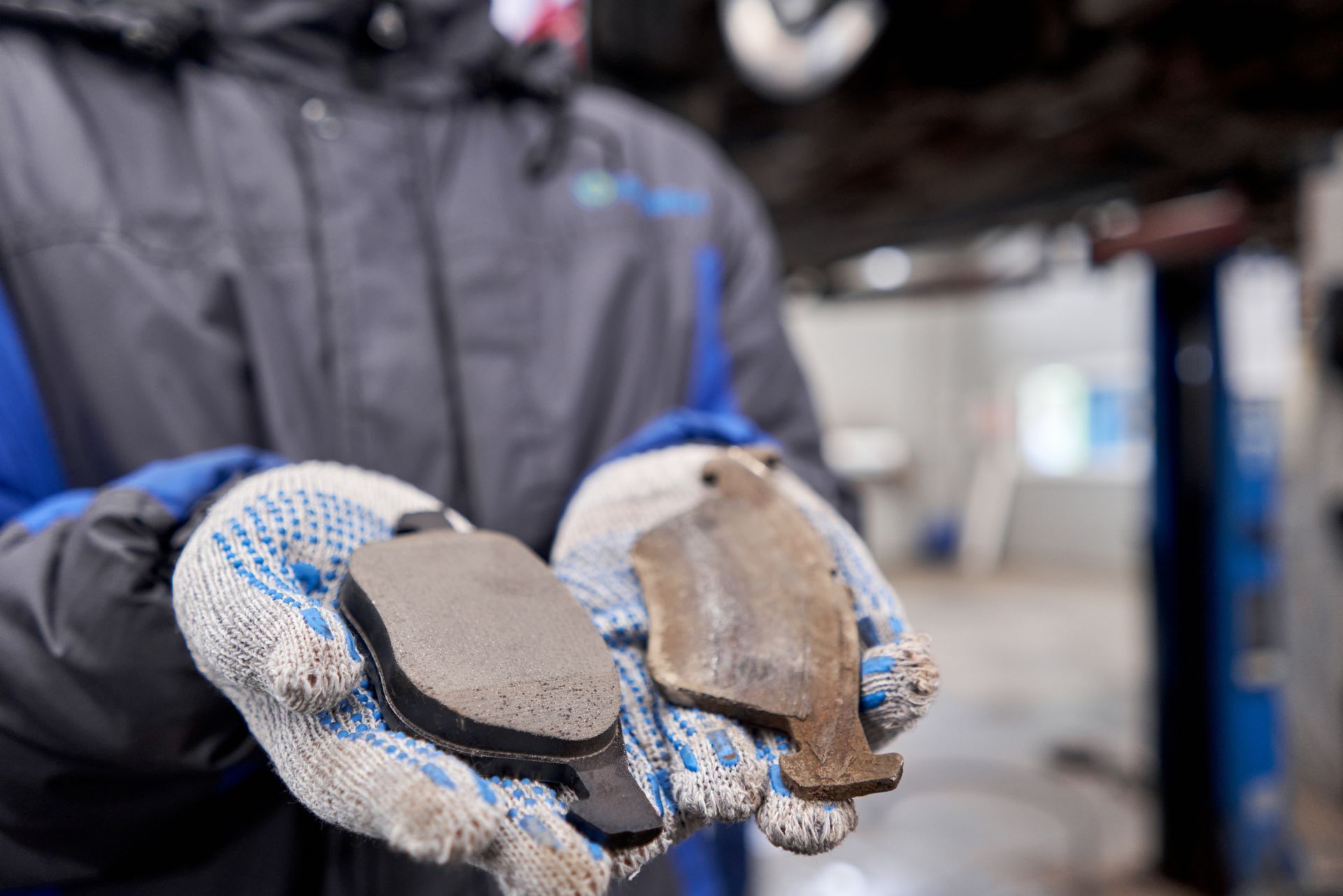
Turbocharged engines place significant pressure on the ring package when operating under boost. High mileage, overheating, poor oil service, or heavy deposits can eventually contribute to ring problems. Compression and leak-down testing, along with other engine checks, can help determine whether internal wear is contributing to the oil loss.
Valve Stem Seals Can Also Let Oil Into the Cylinders
Valve stem seals control the small amount of oil needed to lubricate the valve stems while keeping excess oil out of the combustion chambers. As these seals age and harden, more oil can pass through the valve guides.
One clue is a puff of blue smoke after the vehicle has been sitting, especially after an overnight cold start. Smoke may also appear after a long period of deceleration followed by acceleration. These patterns are useful clues, but they need to be considered with the engine design and other test results before repairs are recommended.
Oil Leaks Can Look Like Oil Burning
If the oil level keeps dropping, do not assume all of it is being burned. Turbocharged engines have several potential external leak points, including valve cover gaskets, oil filter housings, timing covers, turbocharger oil feed lines, and oil return lines.
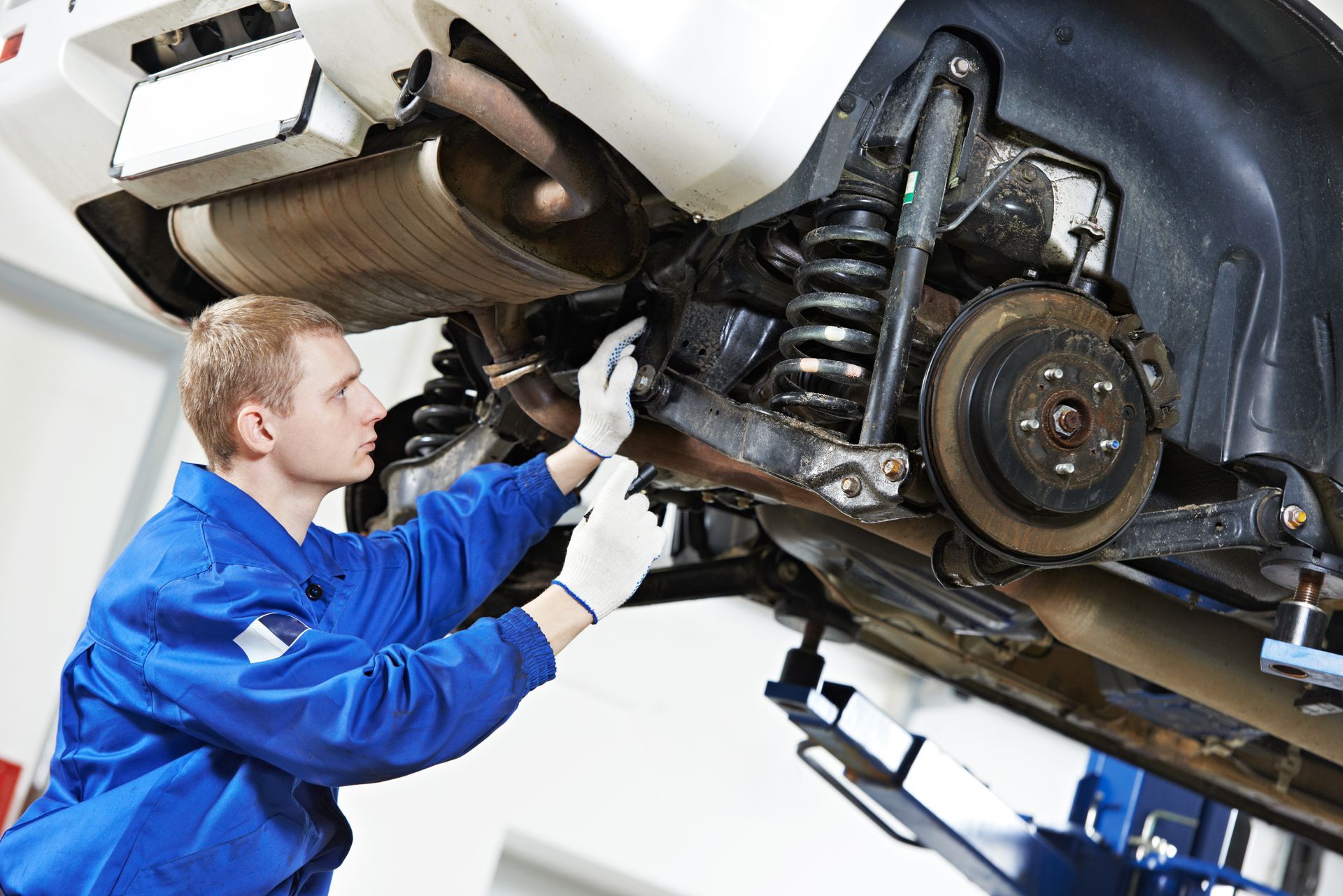
Small leaks may never leave a large puddle because oil can collect on splash shields or burn off when it reaches a hot exhaust component. An inspection from above and underneath the vehicle can often reveal fresh oil residue that is difficult to see from the driveway.
Using the Wrong Oil Can Make the Problem Worse
Turbocharged engines often require specific oil viscosities and performance standards. These requirements are selected with bearing clearances, turbo lubrication, operating temperature, variable valve timing systems, and emissions equipment in mind.
Switching to a thicker oil simply because the engine is using oil is not always a safe solution. It may reduce consumption in certain worn engines, but it can also change oil flow during cold starts or affect systems that rely on precise oil pressure. The manufacturer's approved specification should remain the starting point unless testing shows there is a valid reason to do something different.
Regular maintenance is especially important on a turbo engine because old oil is more likely to oxidize and form deposits in hot areas. Keeping the oil level correct between services is just as important as changing it on time.
How Much Oil Consumption Is Too Much?
There is no single consumption rate that applies to every engine. Manufacturers have different limits, and operating conditions can change how much oil an engine uses. Long highway trips, frequent boost, towing, high temperatures, and extended high-speed driving can all affect consumption.
What deserves attention is a clear change from the vehicle's normal behavior. If a car that rarely needs oil suddenly requires a quart between changes, or the interval between top-offs keeps getting shorter, it is worth having the cause identified. Keep track of the mileage each time oil is added because that information can be very useful during testing.
Get Turbo Engine Oil Consumption Testing in Baldwin Place and Croton Falls, NY, With Proper Service of Baldwin Place
Proper Service of Baldwin Place can inspect your turbocharged engine for external leaks, PCV system problems, turbocharger wear, and internal engine concerns that may be increasing oil consumption.
If you are adding oil more often than before, seeing blue smoke, or noticing oil around the turbo or intake system,
contact us to schedule service in Baldwin Place or Croton Falls, NY.