Power steering makes turning your steering wheel smooth and effortless. Without it, maneuvering your vehicle—especially at low speeds—would require much more effort. But many drivers don’t think about their power steering system until something feels wrong.
One common question is: How often should you replace power steering fluid? And another important one: Do all cars even use power steering fluid? The answer depends on the type of steering system your vehicle has.
Let’s break it down.
Do All Cars Have Power Steering Fluid
The short answer is no. Not all vehicles use power steering fluid.
There are two main types of power steering systems:
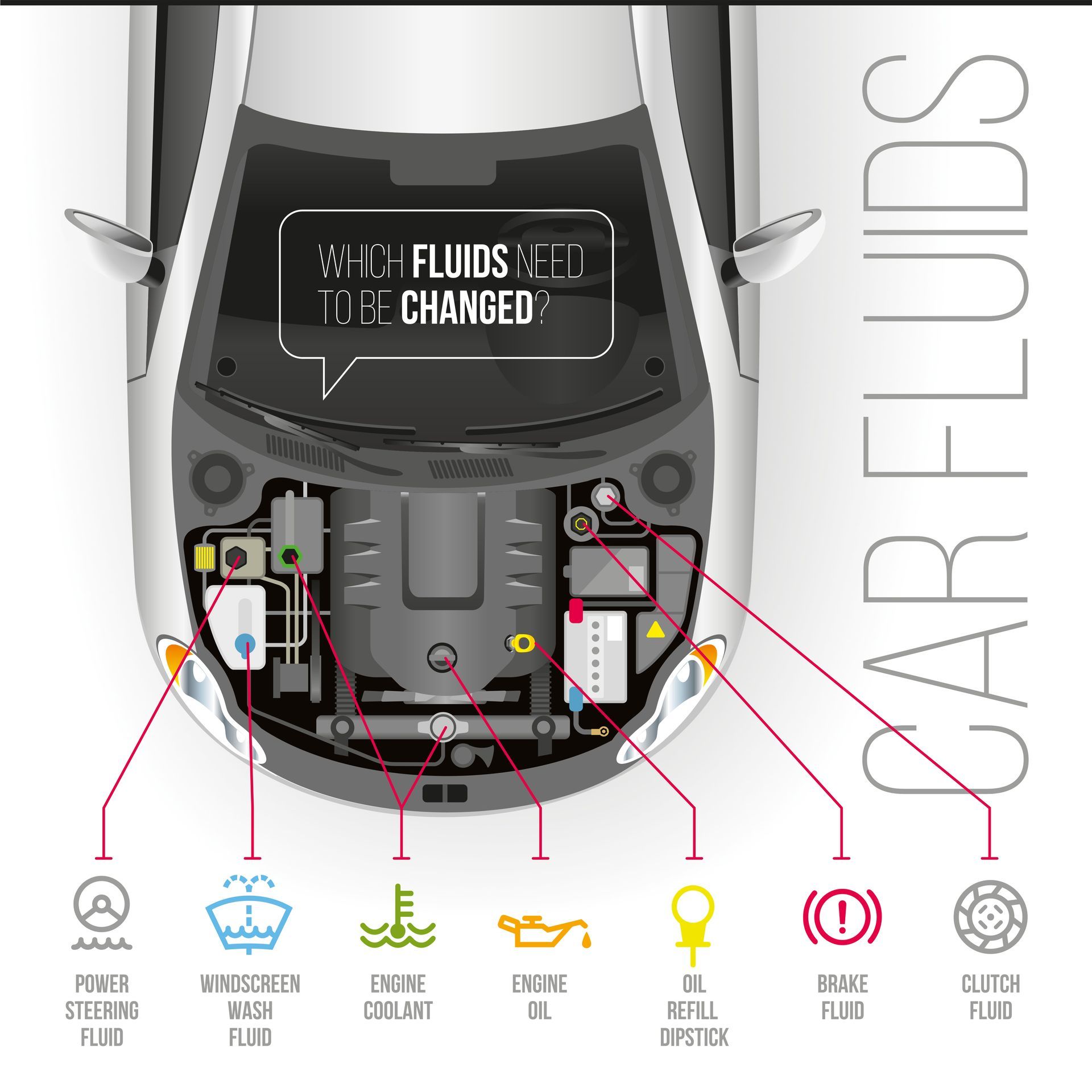
- Hydraulic power steering (HPS): Uses power steering fluid and a pump to assist steering.
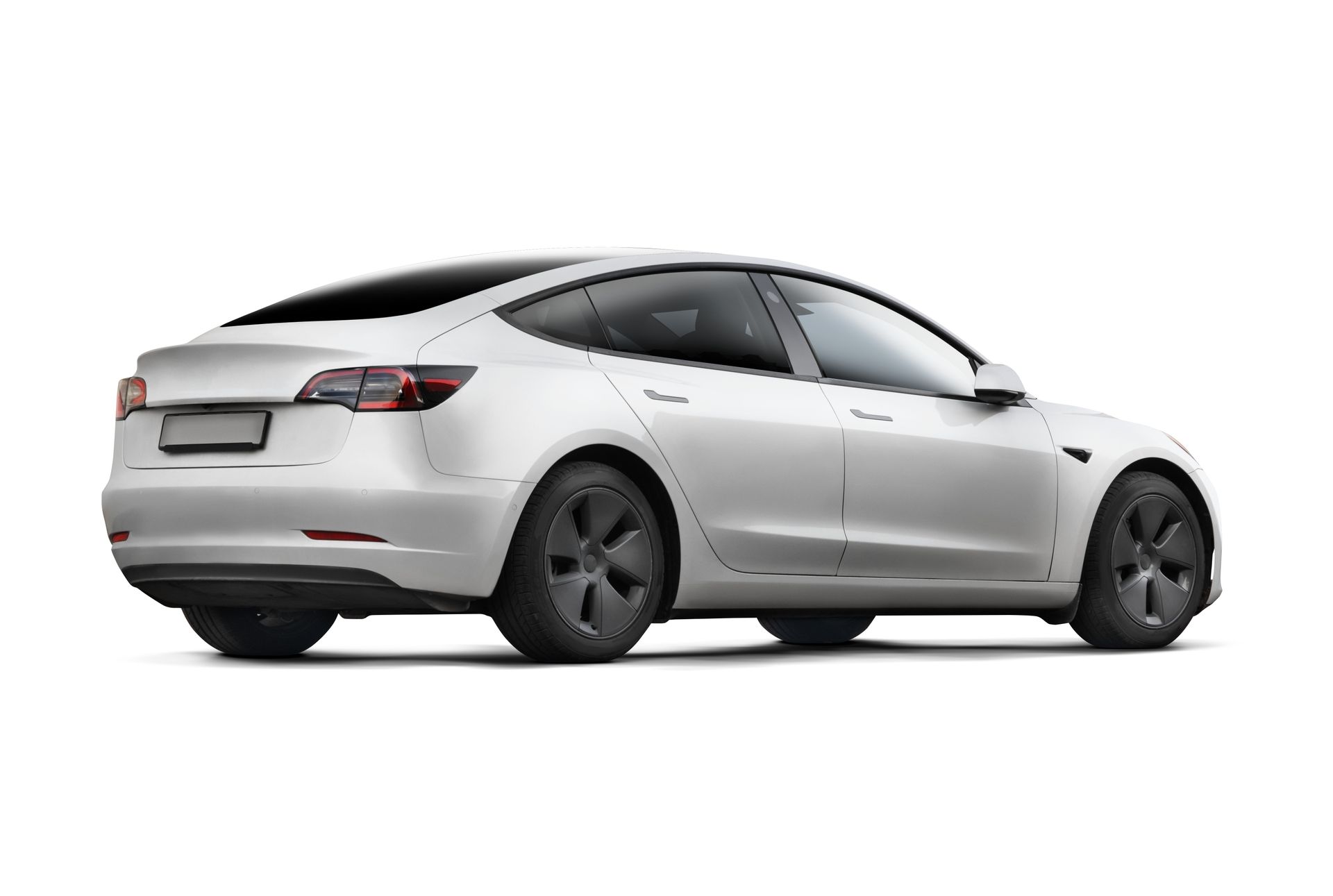
- Electric power steering (EPS): Uses an electric motor and does not require fluid.
Most older vehicles and many vehicles built before the mid-2010s use hydraulic systems. However, many modern cars now use electric power steering because it improves fuel efficiency and requires less maintenance.
If your vehicle has an electric power steering system, there’s no fluid to replace. If it has a hydraulic system, routine fluid maintenance is important.
What Does Power Steering Fluid Do
In hydraulic power steering systems, power steering fluid transmits force from the steering wheel to the steering components. It also lubricates internal parts and helps prevent corrosion and overheating.
Over time, the fluid can become contaminated with dirt, metal particles, and debris from normal system wear. As the fluid breaks down, it becomes less effective at protecting and lubricating the system.
How Often Should You Replace Power Steering Fluid
Unlike engine oil, power steering fluid doesn’t always have a clearly defined replacement interval in every owner’s manual. However, a general recommendation is to inspect the fluid regularly and consider replacement every 30,000 to 60,000 miles, depending on driving conditions and manufacturer guidelines.
Some vehicles may go longer between services, but fluid condition matters more than mileage alone.
If the fluid appears dark, cloudy, or has a burnt smell, it may be time for a flush and replacement.
Signs Your Power Steering Fluid Needs Attention
Your vehicle will often give warning signs when the power steering fluid is low or contaminated.
Common symptoms include:
- Difficulty turning the steering wheel
- Whining or squealing noises when steering
- Jerky or inconsistent steering response
- Leaking fluid under the front of the vehicle
- Steering wheel vibration at low speeds
Ignoring these signs can lead to premature wear of the power steering pump, hoses, or steering rack—repairs that are significantly more expensive than routine fluid service.
What Happens If You Don’t Replace It
Old or contaminated power steering fluid can increase friction and heat within the system. This may lead to seal failure, pump damage, or internal component wear.
Low fluid levels due to leaks can also cause the system to overheat, potentially leading to a complete loss of steering assist. While you would still be able to steer the vehicle, it would require much more effort—especially at low speeds or while parking.
Regular inspections and fluid replacement help extend the life of the entire steering system.
Power steering fluid replacement isn’t just about draining and refilling. Proper service may include flushing the system to remove contaminants and ensuring the correct fluid type is used. Using the wrong type of fluid can cause seal damage and system malfunction.
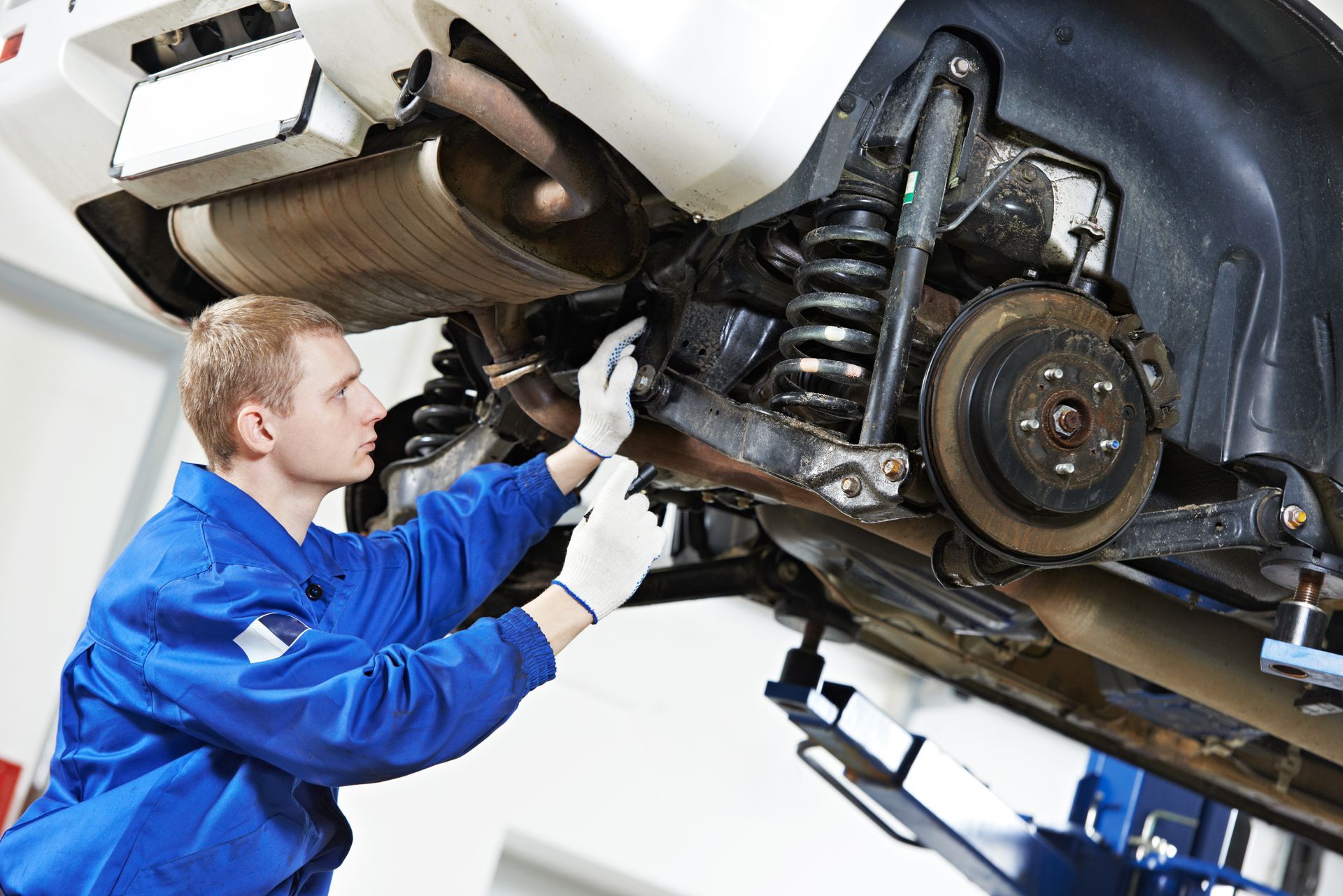
A professional inspection can also identify leaks, worn hoses, or early signs of pump wear before they become major problems.
Schedule a Steering System Service at Proper Service
If you’re unsure whether your vehicle uses power steering fluid or when it was last replaced, it’s time for a professional inspection. Count on Proper Service in NY to ensure your steering system is properly maintained ensures smooth handling and preventing costly repairs down the road. Proper maintenance keeps your vehicle safe, responsive, and comfortable to drive mile after mile.