New York winters have a way of exposing every weak spot in a vehicle. Cold starts, salty slush, hidden potholes, and stop-and-go traffic in bad weather all pile on at once. If the car is already a little behind on maintenance, winter can turn small issues into breakdowns right when the weather is at its worst.
A bit of focused prep makes those cold months a lot less stressful.
Why Winter Is Hard on Cars in New York
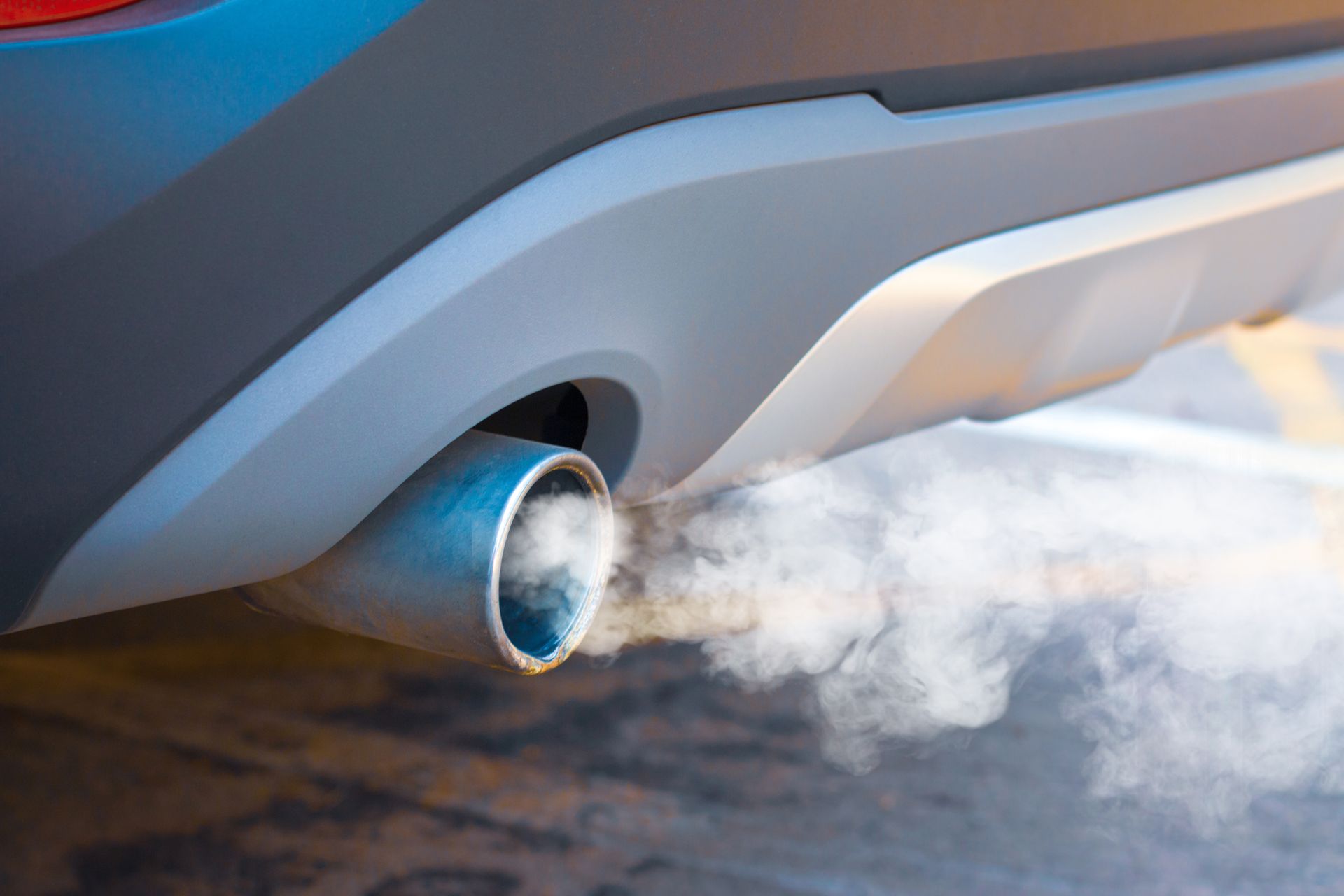
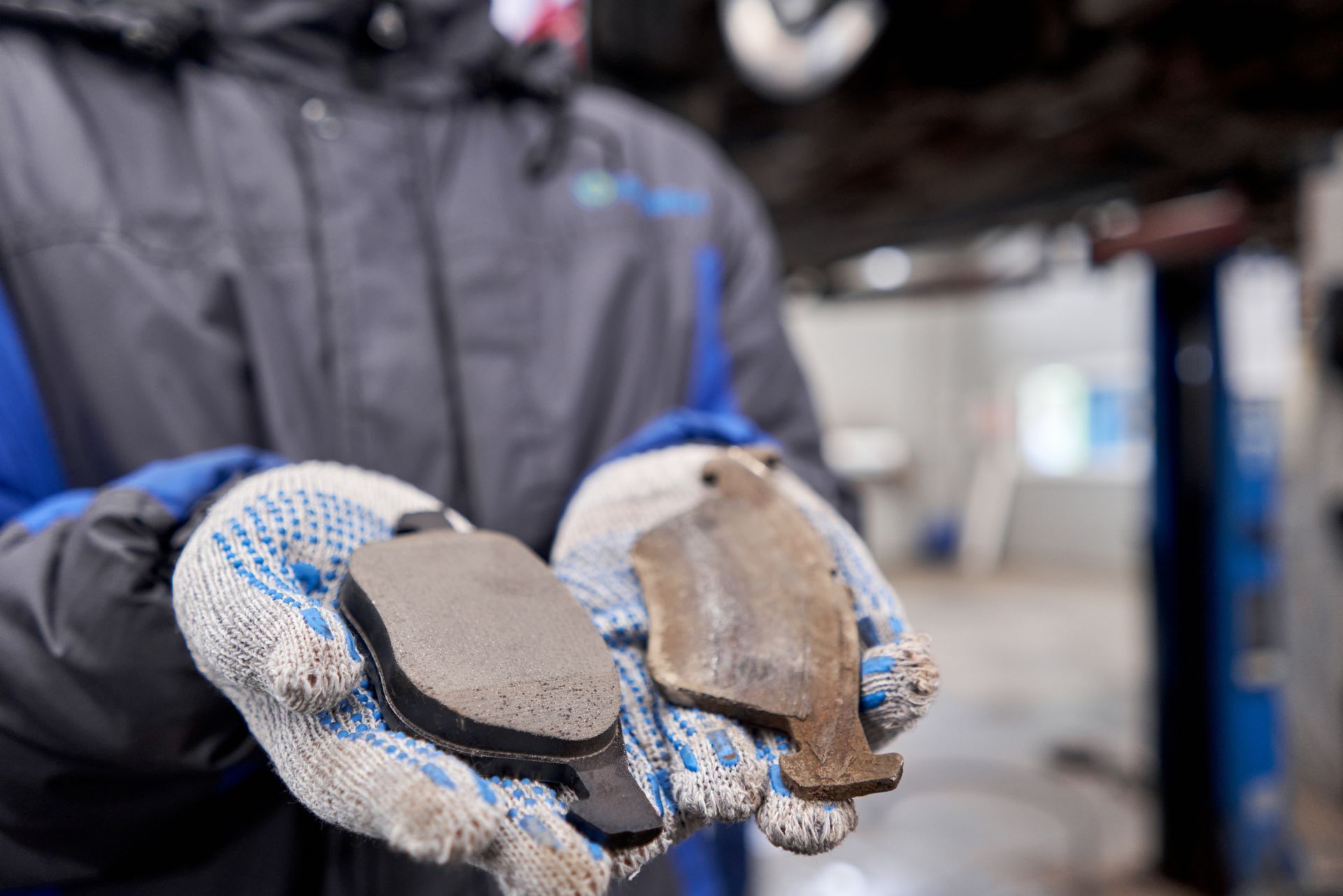
Cold air thickens engine oil and transmission fluid, which makes every start a bigger workout for the battery and starter. At the same time, snow, ice, and road salt attack brakes, suspension parts, and the underbody. Short winter trips where the engine never fully warms up can leave extra moisture and fuel in the oil and exhaust.
The roads themselves change, too. Plow ridges, deep puddles, and new potholes show up overnight. That can knock alignment out of spec, bruise tires, or bend wheels. When we see cars in the shop after a rough winter, it is usually a combination of wear, minor neglect, and harsh conditions, not just one single failure.
Check Tires and Tread Before the First Storm
Tires decide how well your car can accelerate, turn, and stop on cold, slick pavement. If the tread is worn or the rubber has hardened with age, traction drops quickly on snow and slush. Even if the car feels okay on dry pavement, winter grip can disappear the moment you hit a packed side street or icy intersection.
Aim for plenty of tread depth going into winter, and consider winter-rated tires if you drive often in snowier parts of the state. Proper pressure matters just as much. Cold air shrinks tire pressure, so numbers that were fine in October can be too low by January. Checking and adjusting pressures as temperatures drop keeps braking and steering more predictable.
Battery and Starting System: Cold-Weather Weak Spots
Batteries lose cranking power in cold weather, and older ones can go from “seems fine” to “click and nothing” overnight when temperatures dip. If your battery is several years old or cranks slower on cold mornings, it is worth testing before the real cold settles in. A weak battery can also stress the alternator and starter as they work harder to keep up.
Corroded battery terminals and loose connections are another frequent winter issue. They add resistance just when the starter needs maximum power. Cleaning connections, securing cables, and checking charging voltage gives the starting system a fair chance on icy mornings instead of leaving you stranded with a no-start in a parking lot.
Fluids, Coolant, and Washer System for Slushy Roads
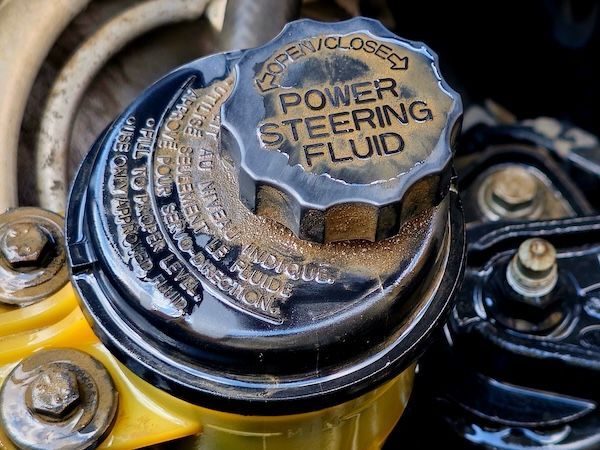
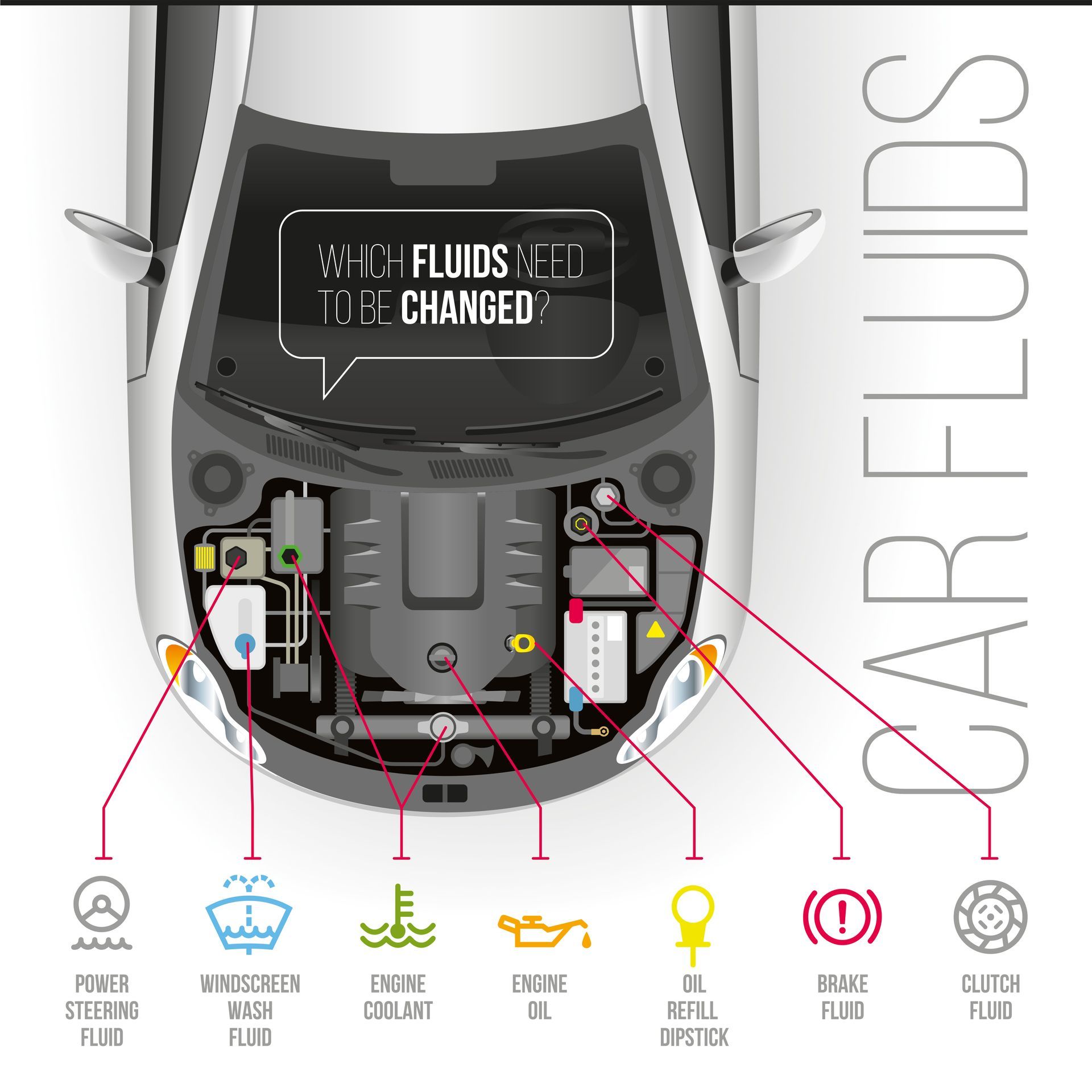
Coolant has to do two jobs in winter: keep the engine from overheating and prevent freezing. If the mixture is off or the coolant is old, it may not protect as well against both extremes. A quick test can confirm whether the system is ready for cold snaps. Coolant leaks that seemed minor in warmer months can become bigger problems as seals shrink in the cold.
Windshield washer fluid and the pump see heavy use once the roads turn slushy. Make sure the reservoir is filled with proper winter fluid, not just water that will freeze in the lines. If you noticed weak spray or clogged nozzles last year, taking care of that now helps keep your view clear when trucks are throwing dirty slush onto your windshield.
Visibility Upgrades: Wipers, Lights, and Defrost
Good wiper blades make a big difference when the snow and grime start flying. If they chatter, streak, or miss spots, replacing them before winter is an easy upgrade. Old, hardened blades can leave a foggy film that is hard to clear in cold weather, especially at night when glare makes streaks more obvious.
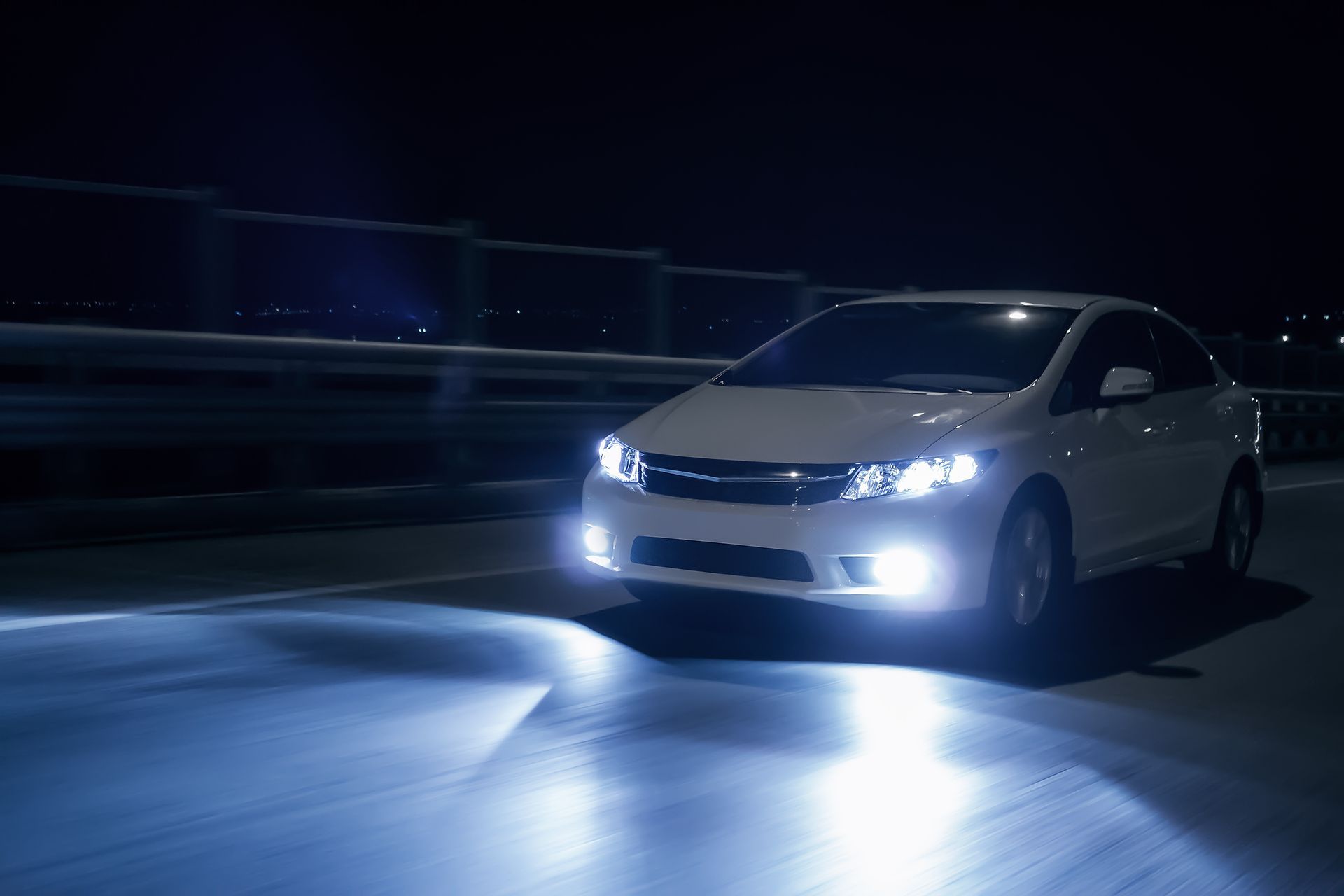
Headlights and brake lights deserve a quick check too. Cloudy headlight lenses, burned-out bulbs, or misaimed beams all make it harder for you to see and be seen when visibility drops. Make sure the defrost settings work well on both the windshield and rear glass so you are not fighting fogged windows every time the temperature swings.
Quick Winter-Ready Checklist You Can Do at Home
You do not need a lift to handle a few simple checks that make winter driving calmer. Before the weather turns for good, walk through this short list:
- Verify tire pressures and look for uneven wear or cracks in the sidewalls.
- Test all exterior lights and clean the lenses.
- Make sure wiper blades wipe cleanly and the washer system sprays strongly.
- Check that the heater and defroster reach full warmth and clear the glass.
- Keep an ice scraper, small snow brush, and a pair of gloves in the car.
If any of these checks raise questions, that is a good sign the car deserves a closer look before the first real storm.
After-the-Storm Habits That Protect Your Car
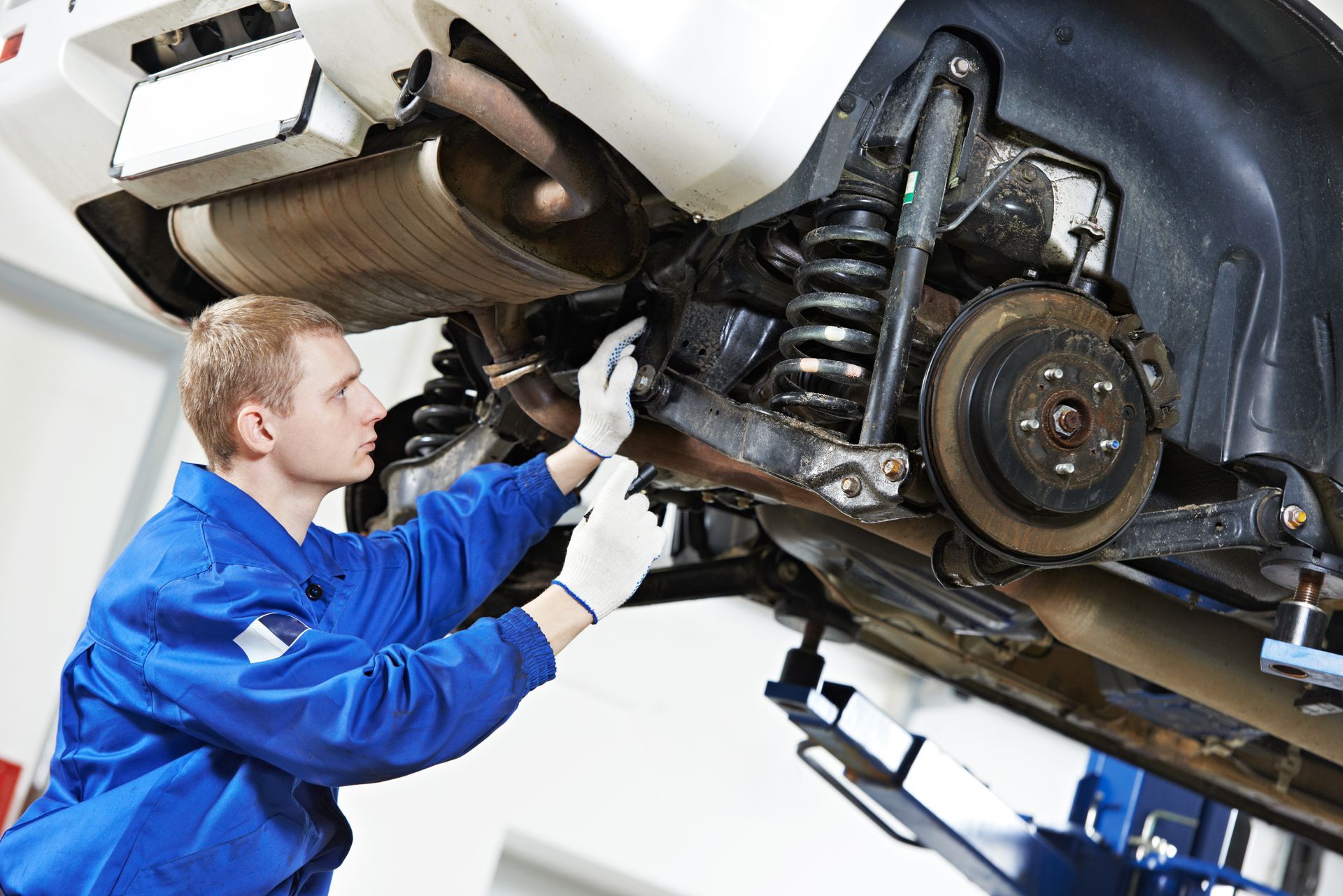
Once the snow starts, a few habits will help your vehicle survive the season. Rinsing the car when temperatures allow, especially the underbody and wheel wells, helps wash away salt that accelerates rust. Listen for new clunks or rattles after hitting hidden potholes, and pay attention to any new pull in the steering wheel that might hint at alignment or suspension damage.
Try not to let the fuel level run very low in cold weather, especially before longer drives. A healthy fuel reserve gives you more options if traffic slows or if you end up idling to stay warm. If the car ever does overheat, stall, or act strangely in winter conditions, treating it as a real warning instead of pushing through can save you from bigger trouble later.
Get Winter Car Care in Baldwin Place, NY with Proper Service of Baldwin Place
If you want your vehicle ready for New York’s winter mix of cold, slush, and rough roads, a focused seasonal checkup is a smart move. We can inspect tires, brakes, battery, coolant, and visibility items so you know your car is prepared before the next storm hits. We are happy to walk you through any concerns and suggest a practical plan that fits your driving.
Schedule winter car care with
Proper Service of Baldwin Place in Baldwin Place, NY, and we will help you head into the cold season with confidence.